Rest Is Politics: Inside Valent's Methodology for Detecting Online Manipulation
The Rest Is Politics podcast gave a detailed examination of Valent's investigative methodology, following our 2023 investigation into coordinated inauthentic behaviour targeting London's ULEZ policy.
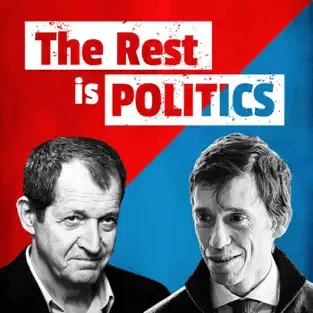
The Rest Is Politics — one of the UK's most listened-to political podcasts — dedicated a segment to examining Valent's methodology and the work we've done investigating coordinated inauthentic behaviour online. The episode gave Alastair Campbell and Rory Stewart's substantial audience a detailed look at how disinformation networks actually operate: the accounts behind them, the tactics they deploy, and the intelligence work required to expose them.
The coverage followed our investigation into coordinated anti-ULEZ activity in 2023, in which we mapped a network of inauthentic accounts amplifying false and misleading claims about Sadiq Khan's clean air policy in London. That investigation identified specific account types — Seeders, Spreaders, and Validators — operating in concert to manufacture the appearance of organic public opposition.
Why this coverage matters
The Rest Is Politics audience skews towards politically engaged, media-literate listeners — precisely the people who most need to understand that the online conversations they're observing are not always what they appear to be. When a hashtag trends, when a narrative seems to be gaining momentum, when opposition to a policy appears to be swelling — that apparent momentum can be manufactured. Understanding how it's manufactured is the first step towards countering it effectively.
Our methodology is designed to answer a specific question: is what I'm seeing real? Are these genuine people, expressing genuine views, in genuine numbers? Or is this the output of a coordinated network, engineered to produce the impression of organic sentiment? The answer to that question changes everything about how a communications team should respond.
What the podcast covered
The episode explored the mechanics of the ULEZ investigation in detail — how we identified the network, what the accounts looked like, what patterns revealed their inauthenticity, and what the implications were for the policy debate it was designed to distort. It also examined broader questions about the role of disinformation in shaping political discourse in the UK, and what protections exist — and don't exist — for institutions and individuals targeted by coordinated campaigns.
We're grateful for the platform, and for the seriousness with which both hosts engaged with the complexity of the problem. The Rest Is Politics community is exactly the kind of informed public we need on our side.
- AnalysisSeptember 20, 2026
The Sunday Telegraph: Foreign Disinformation Targeting British Institutions






- AnalysisApril 23, 2026
Daily Mail: How Bots and Coordinated Campaigns Brought Down First Republic Bank